The brain is an astonishingly complex organ. Injury to the brain in the form of traumatic brain injury (TBI) can cause learning and memory problems in the short-term and dementia in the long-term. Over 1.7 million individuals experience TBI in the United States every year. Unfortunately, there are currently only symptomatic treatments for TBIs. We talked to Dr. Susanna Rosi, Associate Professor at UCSF, about her research into new treatments for TBIs.
More on the Rosi Lab's research
Producer: Amanda Mason
Music credits:
From Free Music Archive, freemusicarchive.org,
“Drifts” by The OO-Ray – under CC by license
January 15, 2015
November 18, 2014
Evading the Immune System
Although our immune system is amazing at what it does, there are complex cases where the it fails us. Everyday, our bodies fight off hordes of bacteria and viruses that cause disease. When fighting cancer, our bodies even face their own cells that have gone rogue. However, certain pathogens and cancers manage to circumvent our immune system.
We talked to Dr. John Wherry, associate professor of microbiology and director of the Institute for Immunology at the University of Pennsylvania, about how the immune system is circumvented and what is being done about it.
More on the Wherry Lab's research
Producer: Lynn Wang
Editing: Bryan Seybold and Austin Chou
We talked to Dr. John Wherry, associate professor of microbiology and director of the Institute for Immunology at the University of Pennsylvania, about how the immune system is circumvented and what is being done about it.
More on the Wherry Lab's research
Producer: Lynn Wang
Editing: Bryan Seybold and Austin Chou
October 01, 2014
Developing the Germ Cell
Cells are the building blocks of life…and need to be transformed into the various tissues that make up our body. There are two main populations of cells that are programmed by a variety of biochemical forces to acquire the characteristics of different cell types in the body. One population, called the somatic cells, is eventually transformed into skin, muscle, bones and such. The other population, called germ cells, becomes sperm and eggs.
In today’s episode, Karuna Meda interviews Dr. Nam Tran (UCSF) about his research on germ cell development and its importance for understanding fertility.
music:
Artist Name Track
Podington Bear Low Jack
saQi Quest’s End
The Polish Ambassador Earthship
Sandro Kait Blame Me
September 01, 2014
Trends in Translational Medicine
Under the banner of “Accelerating Research to Improve Health,” the Clinical and Translational Science Institute (CTSI) at the University of California, San Francisco -- the leading university exclusively focused on health -- is part of a shift in biomedical research.
This move involves a focus on translational, or bench-to-bedside research, which aims to “translate” biomedical discoveries into useful applications and treatments, such as a drug, device, diagnostic or behavioral intervention, that improves human health and health outcomes.
This podcast series is presented by the CTSI and Carry the One Radio – the Science Podcast. CTSI is funded by the National Center for Advancing Translational Sciences at the National Institutes of Health. This series was written and produced by Sama Ahmed and Karuna Meda, and edited by John Daigre and Carly Van Orsdel.
This move involves a focus on translational, or bench-to-bedside research, which aims to “translate” biomedical discoveries into useful applications and treatments, such as a drug, device, diagnostic or behavioral intervention, that improves human health and health outcomes.
This podcast series is presented by the CTSI and Carry the One Radio – the Science Podcast. CTSI is funded by the National Center for Advancing Translational Sciences at the National Institutes of Health. This series was written and produced by Sama Ahmed and Karuna Meda, and edited by John Daigre and Carly Van Orsdel.
August 15, 2014
The Neuroscience of Pacific Rim
Keith Foster, leader of the funk band “Big Pimp Jones”, invites CTOR’s host, Sama Ahmed, to talk about the neuroscience of the giant-monster movie, Pacific Rim. Sama in turn calls up his neuroengineering friend, Joey Martinez, from the University of Utah to tag team this issue.
Guest: Sama Ahmed (CTOR/UCSF) and Joan Martinez (University of Utah)
Host: Keith Foster (Nerdometrics)
Guest: Sama Ahmed (CTOR/UCSF) and Joan Martinez (University of Utah)
Host: Keith Foster (Nerdometrics)
August 01, 2014
Failing Frontal Lobes
In today's episode, Amanda Mason, our newest producer and an MD/PhD student here at UCSF, interviews Dr. Bruce Miller, the director of the UCSF Memory and Aging Center. Dr. Miller's clinic is considered one of the best places in the world for dementia diagnosis and treatment. He shares his perspective on frontotemporal dementia, a devastating brain disorder that affects personality, empathy, and language—and the search for a cure.
Also check out the more detailed producer's cut.
More on the Miller Lab's research
Also check out the more detailed producer's cut.
More on the Miller Lab's research
July 01, 2014
Sound Off (Part 3) - Love Songs of a Spider (Hosted by Dr. Kiki): Erin Brandt
Ever wonder how male spiders communicate their love songs? How they sing and dance? This is the last episode in our three-part series from Sound Off, our live show on the science of sound. Dr. Kiki from This Week in Science interviews Erin Brandt (Elias lab at UC Berkeley) about her research on the vibratory communication of jumping spiders.
Make sure to check out this article about Erin Brandt’s work, written by our friends over at the Berkeley Science Review (video included!)
More on the Brandt Lab's research
Hosted by Ben Cohn, Austin Chou, and Kirsten Sanford (Dr. Kiki)
Make sure to check out this article about Erin Brandt’s work, written by our friends over at the Berkeley Science Review (video included!)
More on the Brandt Lab's research
June 15, 2014
Sound Off (Part 2) - Auditory Feedback and The Donald Duck Treatment (Hosted by Dr. Kiki): John Houde
Dr. Kiki (This Week in Science) interviews Dr. John Houde about how changing what the brain hears can alter what it says. The two discuss how fooling the brain into thinking you sound like Donald Duck can be an effective treatment for people who speak with a stutter.
This is the second of a three-part series from "Sound Off!”, Carry the One Radio’s first live show, which took place at UCSF on May 29, 2014.
More on the Houde Lab's research
Produced by: Ben Cohn, Austin Chou, and Kirsten Sanford
This is the second of a three-part series from "Sound Off!”, Carry the One Radio’s first live show, which took place at UCSF on May 29, 2014.
More on the Houde Lab's research
Produced by: Ben Cohn, Austin Chou, and Kirsten Sanford
June 01, 2014
Sound Off (Part 1) - Noisy Birds and Giggling Hyenas (Hosted by Dr Kiki): Frédéric Theunissen
Dr. Kiki (This Week in Science) interviews Dr. Frederic Theunissen. The two talk about his research on sound communication in social birds and hyenas
This is the first of a three-part series from "Sound Off!”, Carry the One Radio’s first live show, which took place at UCSF on May 29, 2014. Stay tuned for the other episodes!
More on the Theunissen Lab's research
Hosted by Ben Cohn, Austin Chou, and Kirsten Sanford (Dr. Kiki)
This is the first of a three-part series from "Sound Off!”, Carry the One Radio’s first live show, which took place at UCSF on May 29, 2014. Stay tuned for the other episodes!
More on the Theunissen Lab's research
Hosted by Ben Cohn, Austin Chou, and Kirsten Sanford (Dr. Kiki)
May 15, 2014
Massive issues: Brian Koberlein
Carry the One Ready collaborates with Dr. Brian Koberlein to bring you an audio production of his segment“Massive Issues”.
In this episode, Dr. Koberlein explains the different types of mass, and how their impact in the field of astrophysics.
Find more astrophysics on his blog: Brian Koberlein: One Universe at a Time
Sound Credits:
from freesounds.org:
Shaker (Quantity Mass) - kwazi
Bass60bpm (Passive Graviational Mass) - UncleSigmund
Space Orc Atmo (Hadron Collider segment) - stk13
Car_StartDriveAway (Time Dilation segment) - kbnevel
Tuning AM radio (Time Dilation segment) - CGEffex
NASA Shuttle Launch Countdown (Space segment) - JimiMod
shuttle launch (Space segment) - klangfabrik
Deep Space (Space segment) - alaupas
Low Creepy Hole (Black Hole Segment) - Robinhood76
In this episode, Dr. Koberlein explains the different types of mass, and how their impact in the field of astrophysics.
Find more astrophysics on his blog: Brian Koberlein: One Universe at a Time
Sound Credits:
from freesounds.org:
Shaker (Quantity Mass) - kwazi
Bass60bpm (Passive Graviational Mass) - UncleSigmund
Space Orc Atmo (Hadron Collider segment) - stk13
Car_StartDriveAway (Time Dilation segment) - kbnevel
Tuning AM radio (Time Dilation segment) - CGEffex
NASA Shuttle Launch Countdown (Space segment) - JimiMod
shuttle launch (Space segment) - klangfabrik
Deep Space (Space segment) - alaupas
Low Creepy Hole (Black Hole Segment) - Robinhood76
Hosted by Austin Chou
May 01, 2014
Carry the One Radio takes on Goggles Optional: Goggles Optional
Our science podcast friends at Stanford’s Goggles Optional have invited us to make a guest appearance on their show. Carry the One Radio team members Sama, Karuna, Liz, and Samantha joined Lisl, Trisha, Diego, and David from Goggles Optional. We had a head-to-head science-podcast-battle in the game categories Weakest Link, Team Real or Fake, and Google’s Optional (not a typo!). We also discussed evolution and fruit fly research.
Goggles Optional is a weekly science podcast based out of Stanford University. They cover a myriad of interesting science topics you won’t hear about in your typical feed, and they are a lot of fun to listen to. We highly recommend you check them out on their website.
Hosted by Osama Ahmed, Karuna Meda, Liz Unger, and Samantha Ancona Esselmann
Goggles Optional is a weekly science podcast based out of Stanford University. They cover a myriad of interesting science topics you won’t hear about in your typical feed, and they are a lot of fun to listen to. We highly recommend you check them out on their website.
Hosted by Osama Ahmed, Karuna Meda, Liz Unger, and Samantha Ancona Esselmann
April 15, 2014
Getting in Touch with Emotions: Yelena Kulik
This CTOR Short by our producer Yelena Kulik examines how well (or not) people can convey emotions such as anger, love, and sympathy via touch. We eavesdrop on participants in the Berkeley Science Review's “Touch Me!” Event, which took place at the 2013 Bay Area Science Festival. We try to identify "best practices" for communicating emotions and we explore what happens when communication goes awry.
April 01, 2014
Run! for your brain: Gary Westbrook
At one point in your middle school or high school biology class, you may have learned that the number of neurons in your brain is set at birth. For examples your skin cells are constantly dying and being renewed. Your brain cells, on the other hand, cannot be renewed once they die.
In the last decade, however, scientists have discovered that this is not entirely true. A part of the brain called the hippocampus is one of the few sites for adult neurogenesis (the production of neurons after birth). Here, neurons are constantly being produced throughout life and incorporated into the current network of neurons. Interestingly, this part of the brain is important for the formation of episodic memories. Our guest this week, Gary Westbrook, Senior Scientist and Co-Director at the Vollum Institute at Oregon Health and Science University, is working to understand this important process. His lab is interested in what causes the production of new neurons and the incorporation of these neurons into existing neuronal networks. They have found that simple exercise is enough to increase the production of new neurons in rodents. Tune in to hear more about this vital and fascinating process.
More on the Westbrook Lab's research
In the last decade, however, scientists have discovered that this is not entirely true. A part of the brain called the hippocampus is one of the few sites for adult neurogenesis (the production of neurons after birth). Here, neurons are constantly being produced throughout life and incorporated into the current network of neurons. Interestingly, this part of the brain is important for the formation of episodic memories. Our guest this week, Gary Westbrook, Senior Scientist and Co-Director at the Vollum Institute at Oregon Health and Science University, is working to understand this important process. His lab is interested in what causes the production of new neurons and the incorporation of these neurons into existing neuronal networks. They have found that simple exercise is enough to increase the production of new neurons in rodents. Tune in to hear more about this vital and fascinating process.
More on the Westbrook Lab's research
March 15, 2014
Chimeras are People Too: Kate Woronowicz
You may think that all of your cells contain the same genetic sequence, with half of your DNA coming from your mom and half coming from your dad, but that is not always true. This CTOR short will introduce you to chimeras, hybrid creatures with more that one genome, that can be man-made or naturally occurring.
Check out the CTOR interview with Dr. Rich Schneider who uses chimeras as a research tool.
CTOR also has a blog post about chimeras and genetic mosaics.
Hosted by Kate Woronowicz
Check out the CTOR interview with Dr. Rich Schneider who uses chimeras as a research tool.
CTOR also has a blog post about chimeras and genetic mosaics.
Hosted by Kate Woronowicz
March 01, 2014
How Neurons Talk to Each Other - The Synapse and More: Susan Voglmaier
Your thoughts, decisions, emotions, and actions – essentially everything you do—relies on the incredibly complex circuits within your brain. Within these circuits, neurons signal to each other through a process called synaptic neurotransmission, whereby chemicals released by one neuron bind to receptors that are located on a neighboring neuron. This extremely complicated process requires an orchestra of protein interactions and is tremendously quick, taking place over about two thousandths of a second.
Given the importance of synaptic neurotransmission in how circuits function, and the role of circuits in cognition, it is not surprising that defects in synaptic transmission are thought to underlie mental illnesses such as schizophrenia. Today, we talk to Dr. Susan Voglmaier, a practicing psychiatrist and Assistant Professor in the Department of Psychiatry at UCSF. Dr. Voglmaier’s lab is interested in the process by which proteins called transporters prepare neurotransmitters for neurotransmission. Her research provides new insights into the basic molecular machinery underlying synaptic transmission, what might go awry in psychiatric disease, and, potentially, future ways to treat these diseases.
More on the Voglmaier Lab's research
Hosted by Karuna Meda
Given the importance of synaptic neurotransmission in how circuits function, and the role of circuits in cognition, it is not surprising that defects in synaptic transmission are thought to underlie mental illnesses such as schizophrenia. Today, we talk to Dr. Susan Voglmaier, a practicing psychiatrist and Assistant Professor in the Department of Psychiatry at UCSF. Dr. Voglmaier’s lab is interested in the process by which proteins called transporters prepare neurotransmitters for neurotransmission. Her research provides new insights into the basic molecular machinery underlying synaptic transmission, what might go awry in psychiatric disease, and, potentially, future ways to treat these diseases.
More on the Voglmaier Lab's research
Hosted by Karuna Meda
February 15, 2014
The Cat Who Broke his Sweet Tooth
Carry the One Radio
Feb. 15, 2014 (Hosted by Sam Esselmann)
This is our first "CTOR Short"! Our producer Samantha explores why her cat Maverick cannot taste sweet foods.
February 01, 2014
Tapping into the Brain's Avoidance Centers: Garret Stuber
Traditionally, dopamine is known to transmit reward signals (food, sex, etc.) in the brain and promote behaviors that lead to that reward again. What you may not know, however, is that the area of the brain that releases dopamine, the ventral midbrain, also receives signals of aversion (things we find unpleasant or even dangerous) from a far-off brain region called the lateral habenula. These avoidance signals promote behaviors that lead us to avoid unpleasant or dangerous things in the world.
These brain circuits are necessary for survival and are the focus of Dr. Garret Stuber and his laboratory at the University of North Carolina - Chapel Hill. Using a tool known as optogenetics, Dr. Stuber can excite specific populations of neurons within mouse brains and observe their effects on behavior. For example, by stimulating the neurons in the lateral habenula that signal aversion, he can cause mice to avoid the location in which they received that stimulation. He is essentially creating an aversive stimulus by stimulating the neurons that would normally respond to harmful or unpleasant cues in the world. His work has important implications in addiction and psychiatric disorders
More on the Stuber Lab's research
Hosted by Osama Ahmed
These brain circuits are necessary for survival and are the focus of Dr. Garret Stuber and his laboratory at the University of North Carolina - Chapel Hill. Using a tool known as optogenetics, Dr. Stuber can excite specific populations of neurons within mouse brains and observe their effects on behavior. For example, by stimulating the neurons in the lateral habenula that signal aversion, he can cause mice to avoid the location in which they received that stimulation. He is essentially creating an aversive stimulus by stimulating the neurons that would normally respond to harmful or unpleasant cues in the world. His work has important implications in addiction and psychiatric disorders
More on the Stuber Lab's research
January 01, 2014
Speaking with the Lizard Man: Eric Pianka
This month, in collaboration with the Age of Discovery podcast, we talk to Eric Pianka, an American ecologist known for his work on the community ecology of desert lizards and his classic textbook, Evolutionary Ecology. Dr. Pianka discusses how his interests in biology and reptiles were sparked in elementary school, and the experiences and relationships that have propelled his scientific career.
This program was hosted by Adrian Smith, an ant biologist at the University of Illinois. Adrian runs his own biology podcast called the Age of Discovery.
More on the Pianka Lab's research
This program was hosted by Adrian Smith, an ant biologist at the University of Illinois. Adrian runs his own biology podcast called the Age of Discovery.
More on the Pianka Lab's research
December 01, 2013
Pulling DNA: Sophie Dumont
When a cell divides (called a parent cell), it provides complete copy of genes to each new cell that is formed (called daughter cells). This complicated process occurs repeatedly to accomplish an organism's development, repair, and replenishment. To reliably split the DNA correctly requires an orchestra of microscopic interactions among many molecules. While we know many of the molecules involved, scientists still know relatively little about the mechanical interactions that underlie this process. Our guest this month, Sophie Dumont, Assistant Professor in the Department of Cell and Tissue Biology at UCSF, hopes to understand these interactions. Specifically, her lab is working to understand how the chromosome (an organized structure of DNA) is divided and segregated into separate daughter cells. Her work has implications in various developmental disorders and cancer, which can result from errors in cell division. At the end of our talk she discusses the what it’s like to be a woman in science and gives advice to listeners interested in a career in science.
Music in this Episode: Lacrymae - Melodium, Bird’s Lament – Moon Dog, and Push and Pull – Rufus Thomas
More on the Dumont Lab's research
Hosted by Karuna Meda
Music in this Episode: Lacrymae - Melodium, Bird’s Lament – Moon Dog, and Push and Pull – Rufus Thomas
More on the Dumont Lab's research
Hosted by Karuna Meda
October 21, 2013
Exploring the Zombie Brain: Brad Voytek
No, zombies are not real (at least not yet), but that does not mean we can’t enjoy analyzing their mental capacities. This is the work of Brad Voytek, scientist at UCSF and our guest this month on Carry the One Radio. When Brad isn’t busy with his scientific research mapping the prefrontal cortex, the part of the brain that makes us human, he “studies” the effects of zombification on the brain. He uses this work as a fun way to teach neuroscience. Listen as Brad describes the zombie brain and how it can help us teach how the human brain might work.
More on the Voytek Lab's research
Hosted by Sama Ahmed.
More on the Voytek Lab's research
Hosted by Sama Ahmed.
October 01, 2013
The big role of microRNAs in the immune system: Mark Ansel
The key to understanding our immune system might lie in understanding microRNAs. These are tiny strings of nucleotides (the same molecules that makes DNA) that influence how and which genes are expressed. This month we talk with Dr. Mark Ansel, an Assistant Professor in the UCSF Department of Microbiology & Immunology, about his work on these recently discovered molecules and their role in helping the body protect itself.
Within the cell, most RNA is produced from our DNA (genes) and translated to make proteins that help the cell function. microRNAs are produced from DNA but don’t make proteins. Instead, microRNAs ensure that the right genes are translated under the right conditions. microRNAs work in the immune system by helping a type of white blood cell, known as a T-cell, which regulate the production of antibodies that bind and destroy cellular invaders. The set of microRNAs that Dr. Ansel and his lab studies regulate genes that let T-cells recognize their environment and start the production of the correct antibodies. He has found that without these microRNAs, T-cells cannot properly mediate immunity. Dr. Ansel's work has important implications in understanding the immune system and what possibly goes wrong in diseases like HIV and AIDS. At the end of our interview, he talks about what motivates him most in science—the thrill of discovery.
Music: Kevin MacLeod: J. S. Bach: Prelude in C - BWV 846
More on the Ansel Lab's research
Hosted by Samantha Ancona Esselmann
Within the cell, most RNA is produced from our DNA (genes) and translated to make proteins that help the cell function. microRNAs are produced from DNA but don’t make proteins. Instead, microRNAs ensure that the right genes are translated under the right conditions. microRNAs work in the immune system by helping a type of white blood cell, known as a T-cell, which regulate the production of antibodies that bind and destroy cellular invaders. The set of microRNAs that Dr. Ansel and his lab studies regulate genes that let T-cells recognize their environment and start the production of the correct antibodies. He has found that without these microRNAs, T-cells cannot properly mediate immunity. Dr. Ansel's work has important implications in understanding the immune system and what possibly goes wrong in diseases like HIV and AIDS. At the end of our interview, he talks about what motivates him most in science—the thrill of discovery.
More on the Ansel Lab's research
Hosted by Samantha Ancona Esselmann
September 01, 2013
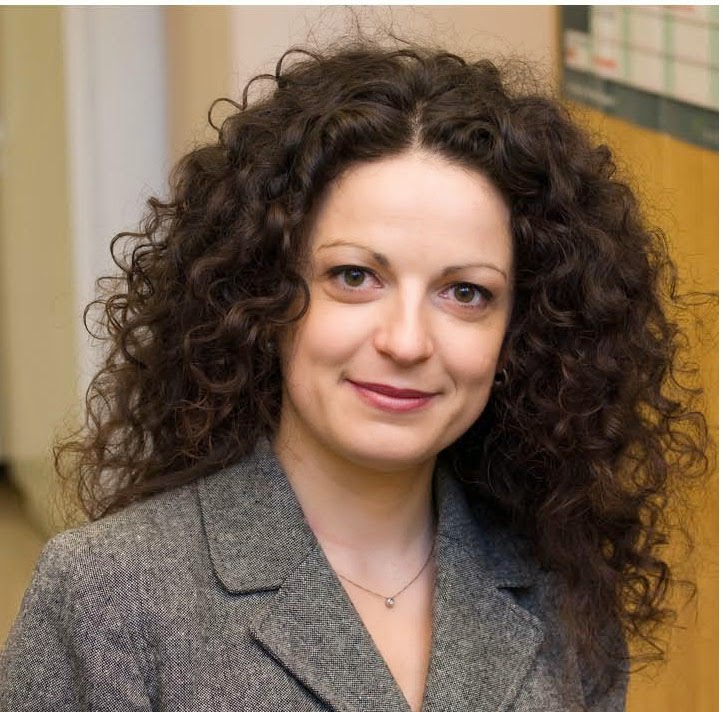
How to become a heart cell: Benoit Bruneau
Gladstone Institute for Cardiovascular Disease
Sept. 1, 2013 (Hosted by Osama Ahmed)
Our bodies are made up of around 200 different cell types with very different structures and functions. Paradoxically, every cell contains the same genetic material. During development, proteins called transcription factors turn specific genes on and off. This can force a cell to develop into a brain cell rather than a skin cell, for example. But, when the right genes fail to turn on or when the wrong genes are expressed, developmental defects can occur.
Our guest this month, Dr. Benoit Bruneau, a Senior Investigator at the Gladstone Institute for Cardiovascular Disease, wants to know what makes a heart cell a heart cell. His lab is interested in how these different regulators interact, which factors are required for proper heart development, and which are altered in disease. This work answers important questions about how genes direct development, and it has potential applications for future therapies for heart disease.
More on the Bruneau Lab's research
Sept. 1, 2013 (Hosted by Osama Ahmed)
Our bodies are made up of around 200 different cell types with very different structures and functions. Paradoxically, every cell contains the same genetic material. During development, proteins called transcription factors turn specific genes on and off. This can force a cell to develop into a brain cell rather than a skin cell, for example. But, when the right genes fail to turn on or when the wrong genes are expressed, developmental defects can occur.
Our guest this month, Dr. Benoit Bruneau, a Senior Investigator at the Gladstone Institute for Cardiovascular Disease, wants to know what makes a heart cell a heart cell. His lab is interested in how these different regulators interact, which factors are required for proper heart development, and which are altered in disease. This work answers important questions about how genes direct development, and it has potential applications for future therapies for heart disease.
More on the Bruneau Lab's research
August 15, 2013
The surprising health benefits of Botox (Part 2): Edwin Chapman
In the second part of our talk with Dr. Chapman, we discuss the positive effects that botulinum toxin A, otherwise known as Botox, can have in combating a number of medical conditions. You will be surprised by how often Botox is used for non-cosmetic procedures. It is prescribed for carpal tunnel syndrome, stuttering, excess sweating, cervical dystonia, and other debilitating conditions. Botulinum toxin A works by cleaving proteins important for cell communication (as discussed in Part 1), but exactly how it acts through the nervous system is unclear. Dr. Chapman’s lab has discovered that neurotoxins such as botulinum toxin A can be absorbed by neurons through vesicles at one end of the cell and be transported backward to the neurons connected to it on the other end of the cell, affecting specific proteins in long chains of cells. His research provides important insights into the mechanism of how this useful toxin works.
More on the Chapman Lab's research
Hosted by Sama Ahmed and Sam Ancona Esselmann
August 01, 2013
The cell's fusion machinery (Part 1) : Edwin Chapman
This month, in our first two-part episode, we talk about vesicle fusion with Dr. Edwin Chapman, a Howard Hughes investigator at the University of Wisconsin-Madison. Vesicles are small balloons within the cell that can carry a variety of material ranging from proteins to cellular waste. They are also important message-delivery machines that allow neurons to communicate with each other. Through an extremely fast and complicated process known as synaptic vesicle exocytosis, vesicles containing neurotransmitters fuse with the neuron's membrane, releasing packets of neurotransmitter that will bind to the receptors on a neighboring neuron. This process is the basis of nearly all neuron-to-neuron communication and, consequently, underlies our thoughts and behavior. Using different techniques, Dr. Chapman hopes to provide a better understanding of the structure, function, and dynamics of this poorly understood but fundamental process.
More on the Chapman Lab's research
More information on vesicle exocytosis
Producer: Osama Ahmed, Samantha Ancona Esselmann
July 01, 2013
Evolution of the deer mouse: Hopi Hoekstra
The way an organism looks and behaves is influenced by the genes it inherits. Through a process known as natural selection, genetic traits that are helpful for survival are passed to future generations, while traits that are less useful are selected out. For example, a fish that swims faster than another is more likely to escape from predators, reproduce, and pass down various inherited traits than its slower counterparts.
Hopi Hoekstra, a professor in the Department of Organismic and Evolutionary Biology at Harvard, and our guest this month on CTOR, is studying a longstanding question in biology: how do genes contribute to evolutionary adaptations? Listen as Dr. Hoekstra talks about how her lab uses the deer mouse to study the genetic basis of coat color, and burrowing behaviors. In addition, her research has important connections to human genetics and behavior. The genes her lab studies that determine pigmentation in the deer mouse are the same genes that determine hair color and skin cancer susceptibility in humans. And while humans obviously don’t burrow, the genes that affect burrowing and exploratory behaviors in the deer mouse could affect motivation and anxiety in humans. At the end of our talk, Dr. Hoekstra’s discusses her interest in political science before switching to a career in science.
This interview is part of an ongoing collaboration between Carry the One Radio and the Women in Life Sciences (WILS) group at UCSF.
More on the Hoekstra Lab's research
Women in Life Sciences (WILS)
Hosted by Karuna Meda
Hopi Hoekstra, a professor in the Department of Organismic and Evolutionary Biology at Harvard, and our guest this month on CTOR, is studying a longstanding question in biology: how do genes contribute to evolutionary adaptations? Listen as Dr. Hoekstra talks about how her lab uses the deer mouse to study the genetic basis of coat color, and burrowing behaviors. In addition, her research has important connections to human genetics and behavior. The genes her lab studies that determine pigmentation in the deer mouse are the same genes that determine hair color and skin cancer susceptibility in humans. And while humans obviously don’t burrow, the genes that affect burrowing and exploratory behaviors in the deer mouse could affect motivation and anxiety in humans. At the end of our talk, Dr. Hoekstra’s discusses her interest in political science before switching to a career in science.
This interview is part of an ongoing collaboration between Carry the One Radio and the Women in Life Sciences (WILS) group at UCSF.
More on the Hoekstra Lab's research
Women in Life Sciences (WILS)
June 01, 2013
How the bat brain knows its place: Michael Yartsev
The ability of animals to navigate through the world is essential for survival and has been studied by scientists for over 40 years. Scientists have identified neurons called “place cells” that reside in a part of the brain called the hippocampus. Individual place cells are active only when the animal is in a particular location in space, and populations of place cells work together to create an internal representation of the environment.
Up until now, experiments involving the hippocampus and place cells have been conducted in two-dimensional settings, often with rats running through a flat maze. Our guest this month, Dr. Michael Yartsev, a fellow at The Princeton Neuroscience Institute and previously the Weizmann Institute, is interested in how the 3D world is perceived in the brain. He hopes to figure this out by recording activity from place cells in the brains of flying bats. Listen as Dr. Yartsev describes this unique system to study an old question.
Hosted by Osama Ahmed, Karuna Meda
Up until now, experiments involving the hippocampus and place cells have been conducted in two-dimensional settings, often with rats running through a flat maze. Our guest this month, Dr. Michael Yartsev, a fellow at The Princeton Neuroscience Institute and previously the Weizmann Institute, is interested in how the 3D world is perceived in the brain. He hopes to figure this out by recording activity from place cells in the brains of flying bats. Listen as Dr. Yartsev describes this unique system to study an old question.
Hosted by Osama Ahmed, Karuna Meda
May 01, 2013
Our protective microbiome: Susan Lynch
Believe it or not, we are made up of more microbes than human cells. In fact, for every human cell that makes up our body, there are nine times more bacteria, viruses, or fungi living on our skin, gut, or lungs. However, most of these microbes are not the kind that will make us sick. Most are harmless and, in some cases, even protective against diseases like Crohn’s disease and chronic sinusitis.
The function of many of these microbes is beginning to be understood by scientists like Dr. Susan Lynch, an associate professor of medicine at the University of California - San Francisco and our guest this month on Carry the One Radio. Listen as Dr. Lynch describes her work on the microbiome, how it develops, and its role in health and disease.
This episode is also part of our ongoing collaboration with our friends over at Youreka Science. They make science make sense, and they have covered one of Dr. Lynch's recent publications on the microbiome.
More on the Lynch Lab's research
An animated guide to some of Susan Lynch's work at Youreka Science
The function of many of these microbes is beginning to be understood by scientists like Dr. Susan Lynch, an associate professor of medicine at the University of California - San Francisco and our guest this month on Carry the One Radio. Listen as Dr. Lynch describes her work on the microbiome, how it develops, and its role in health and disease.
This episode is also part of our ongoing collaboration with our friends over at Youreka Science. They make science make sense, and they have covered one of Dr. Lynch's recent publications on the microbiome.
More on the Lynch Lab's research
An animated guide to some of Susan Lynch's work at Youreka Science
Hosted by Sama Ahmed
April 01, 2013
Exploring the Evolution and Development of the Vertebrate Skeleton: Rich Schneider
If you were asked to imagine how scientists study the way bones develop and grow, the last thing you might picture would be a quail-duck chimera. That is, unless you're Richard Schneider, associate professor in the department of orthopedic surgery at UCSF and our guest this month on Carry the One Radio.
Dr. Schneider and his lab have developed a system where stem cells from quail embryos are transplanted into duck embryos, and vice versa. The precursor cells from different species differ in growth speed and the structure of the bone they eventually create. His lab is interested in how these species-specific, developing cells interact with each other when they first meet. His findings may eventually lead to potential therapies for bone repair and regeneration.
More on the Schneider Lab's research
Host: Alex Mendelssohn
Dr. Schneider and his lab have developed a system where stem cells from quail embryos are transplanted into duck embryos, and vice versa. The precursor cells from different species differ in growth speed and the structure of the bone they eventually create. His lab is interested in how these species-specific, developing cells interact with each other when they first meet. His findings may eventually lead to potential therapies for bone repair and regeneration.
More on the Schneider Lab's research
Host: Alex Mendelssohn
March 01, 2013
Neural circuits and motivational processes underlying hunger: Scott Sternson
This month on Carry the One Radio, we talk to Scott Sternson, a chemistry Ph.D-turned neuroscientist and scientist at Janelia Farms. Dr. Sternson is interested in what happens when we are hungry. He describes how a subset of neurons in a brain structure called the hypothalamus senses when the body is low on energy and motivates us to find food. By manipulating the electrical activity of specific neural populations and determining their effect on behavior, Dr. Sternson and his lab can map the function of the hypothalamus circuit. At the end of our talk, he discusses the importance of being self-critical of ones own ideas in science.
More on the Sternson Lab's research
Hosted by Karuna Meda
More on the Sternson Lab's research
Hosted by Karuna Meda
February 01, 2013
Towards personalized cancer treatments: Eric Collisson and Barry Taylor

This month on Carry the One Radio we talk with two scientists who are developing new strategies to treat cancer. Dr. Eric Collisson, a medical oncologist, and Dr. Barry Taylor, a computation biologist, have teamed up to identify and understand the complex signaling world that leads to cancer. Because of the complexity of these signaling pathways, two patients diagnosed with the same disease might need very different treatments. But by understanding the common pathways, Eric and Barry hope to eventually develop personalized therapies for cancer patients. Towards the end of our talk, they discuss the number one motivator for having a career in science.
More on the Collisson Lab's research More on the Taylor Lab's research
Subscribe to:
Posts (Atom)


